The Menu Behind the Menu: Decoding the Off-Market Odds Books Don't Want You to Price
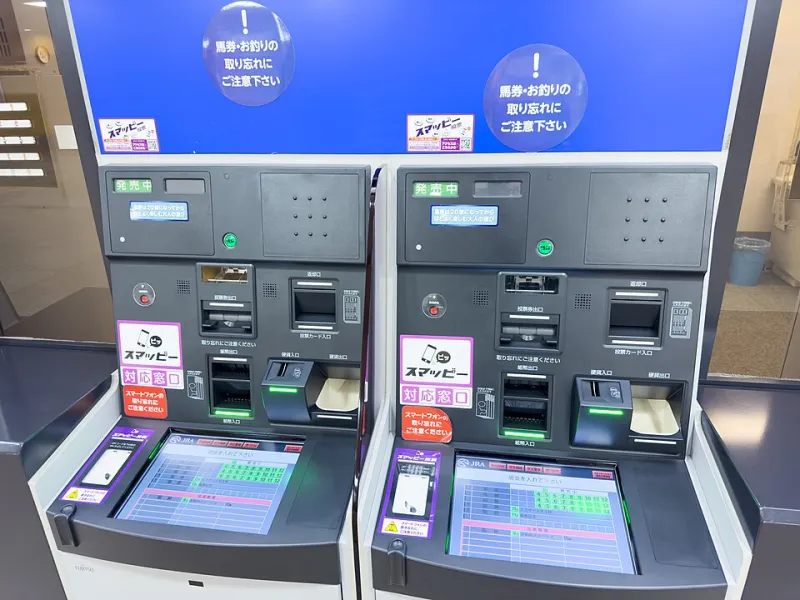
Photo: Dick Thomas Johnson from Tokyo, Japan, CC BY 2.0, via Wikimedia Commons
Scroll past the main NFL board on any Sunday morning and you'll hit a second menu. Chiefs moneyline at -320 instead of -450. A boosted same-game price flashing green in the promo tab. A total that's been nudged from 44.5 down to 41.5 with odds attached like it's doing you a favor.
None of these appear on the traditional betting board, and that's not an accident. Off-market wagers — alternate moneylines, modified totals, "boosted" prices — are the sportsbook's quietest upsell. They look like flexibility. They're priced like convenience-store milk.
Why the Main Board Is the Honest One
The standard spread and total on any game is the most efficient number in American sports betting. Millions of dollars, dozens of books, and sharp bettors all hammer the same line until it's about as mispriced as a parking meter. The hold on a standard -110/-110 market runs roughly 4.5%, and competition keeps it there.
The alt menu doesn't live under that pressure. Nobody arbitrages the Chiefs at -320 versus -360 because the volume is thin and the audience is recreational. The book sets the price, you take it or leave it, and the hold quietly doubles, triples, sometimes quadruples.
The Reverse-Engineering Trick
Here's the method that takes thirty seconds and has saved more bankrolls than any handicapping angle: convert the alt price to a no-vig probability, then compare it to the fair price you could get elsewhere.
Say you're eyeing an alternate moneyline: Chiefs to win at -320, when the regular moneyline sits at -450.
Step 1: Convert the odds to implied probability. -320 means you risk 320 to win 100, so implied probability is 320 / (320 + 100) = 76.2%.
Step 2: Ask what the true win probability actually is. The regular -450 price implies 81.8%. The alt line is cheaper, sure — but you're buying a 76% ticket at a 76% price. Zero margin. You've traded price for nothing.
Step 3: Check the vig. On the standard board, the Chiefs' moneyline and the opponent's price together tell you the house edge — usually a few points. On the alt board, that edge often balloons to 8–12% because there's no competing book forcing a correction.
The rule of thumb: if the implied probability of the alt price is equal to or higher than the actual win probability, you're paying rent, not making an investment.
The Boosted-Odds Fine Print
Boosts deserve their own warning label. A "boosted" price from +150 to +180 sounds like free money, and sometimes it is — books run genuine loss-leader boosts to acquire customers. But run the same math before you assume.
+150 implies 40%. +180 implies 35.7%. That's a 4.3-point improvement in price. Now ask: what does the no-vig market say this outcome is worth? If the fair probability is 38%, the boost turned a losing bet into a winning one. If the fair probability is 34%, the boost is marketing — you're still paying a premium, just a smaller one, on a bet the book wants you to take.
Also read the terms. Many boosts cap winnings, require a minimum stake, or pay out in bonus bets rather than cash. A +200 boost paid in site credit isn't +200. It's +200 with a haircut you can't withdraw.
The Modified Total Trap
Alt totals work the same way but feel even more intuitive, which makes them more dangerous. Dropping an NFL total from 44.5 to 38.5 feels like buying insurance — the game just needs to stay under 38, how hard is that?
The book knows exactly how hard that is, and it prices the shift with a hold that would make a Vegas craps table blush. A six-point total adjustment can carry 15–20% hold in some markets. You're not buying safety. You're buying the same coin flip with worse odds and a comfort blanket.
The 30-Second Pre-Bet Checklist
Before accepting any off-market price, run this:
- Convert to implied probability. Risk divided by (risk plus win) for favorites; 100 divided by (win plus 100) for underdogs.
- Benchmark it. Compare against the standard line, a sharp book like Pinnacle's posted number, or a closing line from a similar matchup.
- Estimate the hold. If your implied probability exceeds your honest estimate of the true probability, the edge belongs to the house.
- Check the payout terms. Bonus bets, caps, and minimum odds requirements all change the real price.
If the math takes longer than the bet itself takes to place, that's the tell. The main board earned its efficiency. The alt menu earned its margin. Know which one you're shopping in before the ticket prints.